 (406) 443-2121

Dry Eye Treatment in Helena: Causes, Symptoms & Lasting Relief
Living in Helena means enjoying Montana’s big skies and outdoor lifestyle—but our dry air, wind and seasonal smoke can leave eyes feeling irritated. If burning, itching or watering keeps returning, professional dry eye treatment may provide more meaningful relief than repeatedly reaching for artificial tears. Dry eye is not one single condition, so our team at Montana Eyecare looks for what may be contributing to your symptoms before recommending care.
Why Are My Eyes Itchy and Dry—and What Are the Symptoms of Severe Dry Eye?

Dry eye can cause a range of symptoms, including:
- burning or stinging
- dry, itchy or gritty eyes
- redness
- watery eyes
- blurred or fluctuating vision
- sensitivity to light
It may sound surprising, but watery eyes can still be a sign of dryness. When the eye’s surface becomes irritated, it can trigger reflex tearing, but these tears may not provide the lasting lubrication the eye needs.
With more severe dry eye, symptoms may be persistent or increasingly uncomfortable and can include significant soreness, pronounced redness, sensitivity to light or more troublesome changes in vision. Severe or longstanding dry eye can also affect the health of the eye’s surface, so symptoms that are persistent, worsening or interfering with vision should be professionally assessed.
What Is the Cause of Dry Eye Disease?

Dry eye develops when the tear film does not adequately protect and lubricate the surface of the eye. This may happen because the eyes do not produce enough tears, because tears evaporate too quickly, or because the tear film is unstable.
A common cause of increased tear evaporation is meibomian gland dysfunction (MGD). The meibomian glands, located along the eyelids, produce oils that form part of the tear film and help prevent tears from evaporating too quickly. If these glands become blocked or do not work properly, the tear film can become less stable, leading to dryness and irritation.
Other factors can contribute to or worsen dry eye, including certain medications, contact lens wear, dry, windy or smoky environments, and prolonged screen use. When looking at screens, people often blink less frequently or less completely, which can cause the tear film to break up more quickly.
Which Dry Eye Treatment May Be Right for Me?
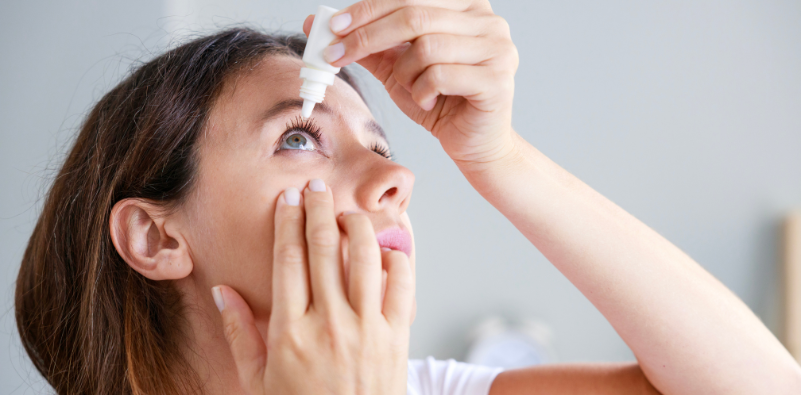
There is no universal “best” option. After assessing the likely cause, we may recommend:
- Lubricating drops for dry eyes can ease mild, occasional symptoms, although recurring discomfort may require further evaluation.
- Prescription treatments may help some patients improve tear production or manage inflammation.
- Tear-duct plugs can slow tear drainage, helping natural or added tears remain on the eye longer.
How Can LipiFlow for Dry Eyes Help MGD?
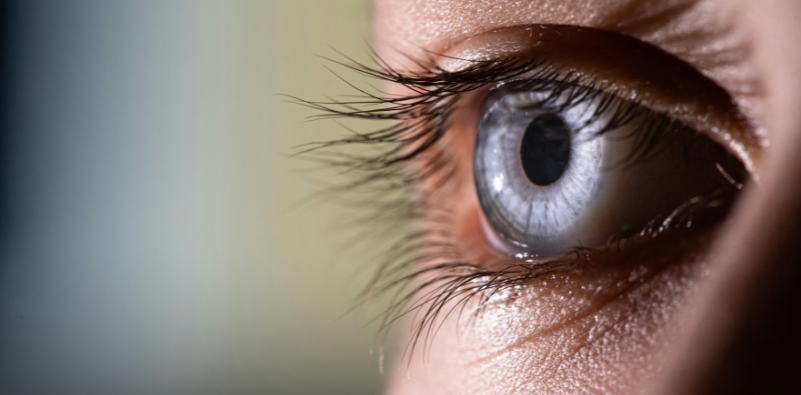
For appropriate patients with meibomian gland dysfunction, LipiFlow is an in-office treatment that applies controlled heat and gentle pressure to the eyelids. This helps clear gland blockages and improve the flow of protective oils. Because LipiFlow targets a specific cause of evaporative dry eye, we first evaluate whether it suits your needs.
Where Can I Find Dry Eye Treatment in Helena?
You do not have to accept uncomfortable eyes as part of Montana life. Montana Eyecare has served the Helena community for more than 40 years and provides personalized care from our office on North Montana Avenue.
If your eyes regularly feel dry, itchy, burning, watery or uncomfortable, book a dry-eye assessment with Montana Eyecare. We will listen to your concerns, assess what may be causing them, and recommend an appropriate path toward relief.